Serving Kansas City, MO & surrounding areas Free estimates · 20+ years 816-550-8824

Commercial Kitchen Exhaust Cleaning

Grease is fuel. We take it out.

Professional kitchen exhaust system cleaning & maintenance in Kansas City, MO. Hoods, filters, ductwork and fans — cleaned down to bare metal.

Twenty-plus years under the hoods of Kansas City kitchens. We work around your service hours, leave the line spotless, and back every job with a 100% satisfaction guarantee.

20+ years experience 100% satisfaction guarantee Insured for hospital & institutional work Locally owned
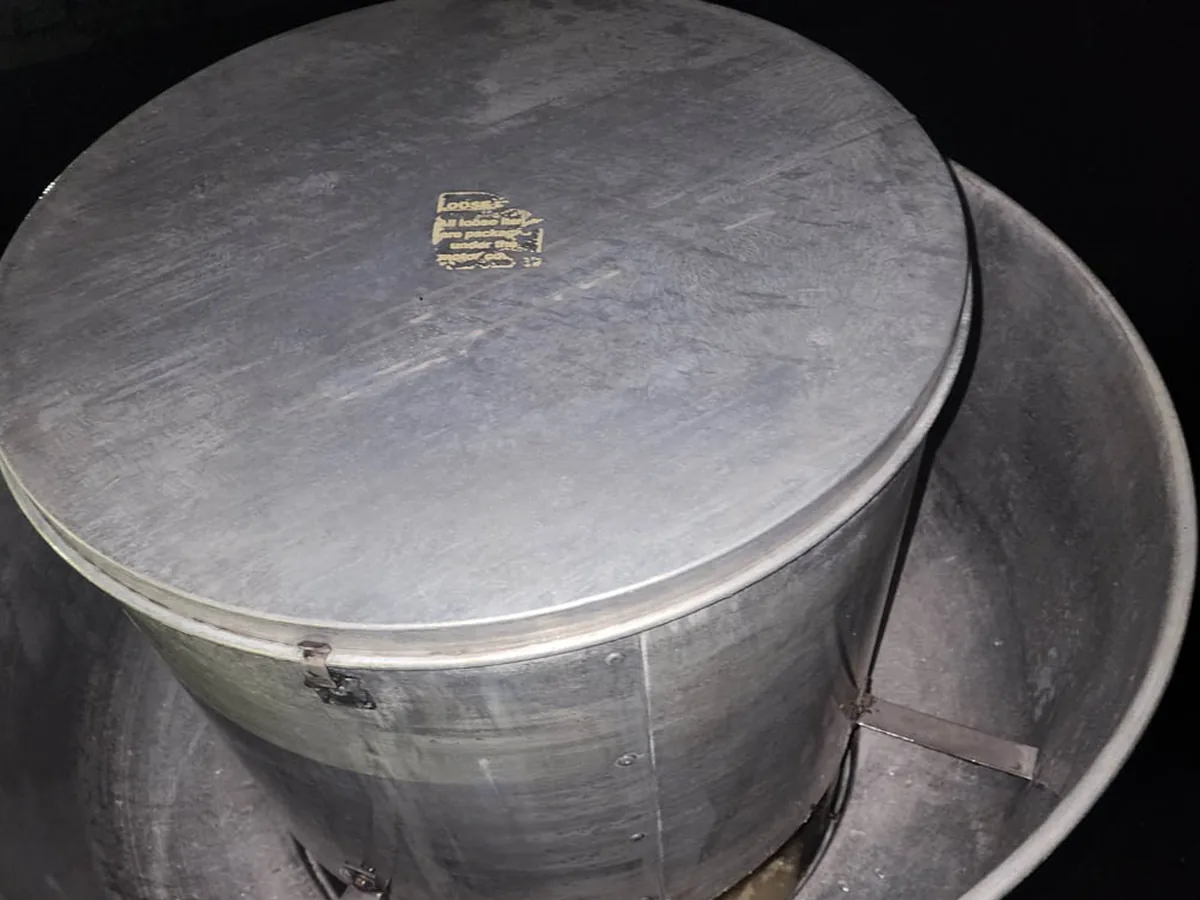
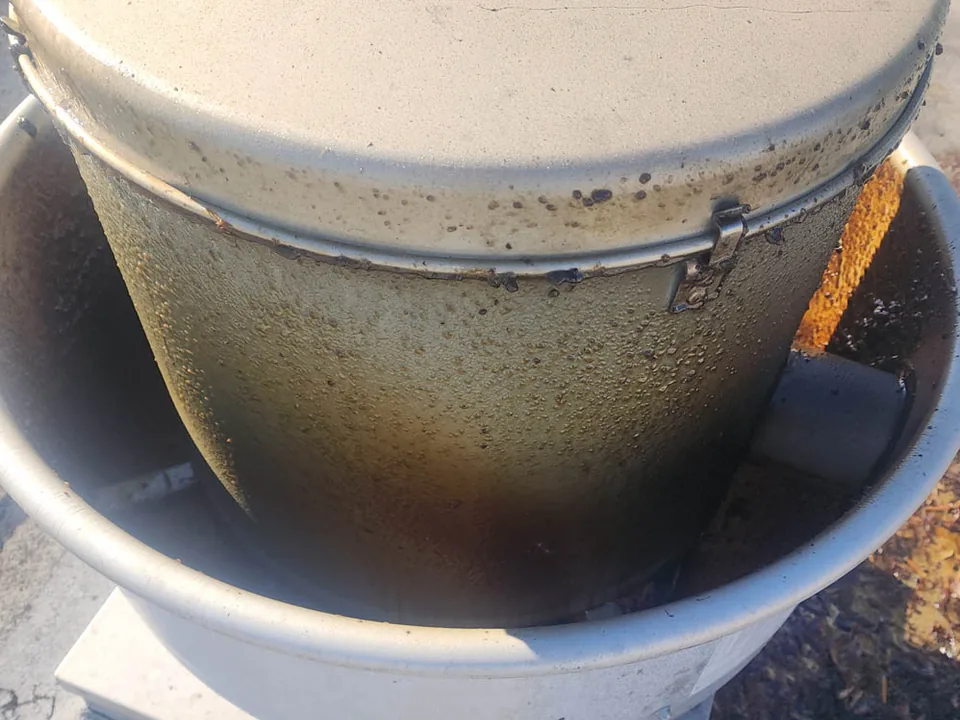
Rooftop kitchen exhaust fan with its housing and curb caked in grease, before cleaning
The same rooftop exhaust fan cleaned back to bare metal
Elite Exhaust

A real job. Scroll wipes it clean.

Scroll
20+
Years Experience
100%
Satisfaction Guarantee
$0
Cost For An Estimate
64
Reviews On Google

01 Services

Everything above your cook line, handled.

Commercial kitchen exhaust cleaning, exhaust fan hinge kits and rooftop grease containment — done properly, by people who have been doing them for two decades. No upsells you don't need.

Kitchen Exhaust Cleaning

Thorough cleaning for all types of kitchen exhaust systems. We work the whole run — not just the parts an inspector can see from the floor.

  • Hood canopy, interior and exterior
  • Baffle filters degreased or replaced
  • Plenum and accessible ductwork
  • Rooftop exhaust fan and housing

Hinge Kit Installation

We professionally install hinge kits on exhaust fans so the fan tilts back instead of coming off. Safer, faster service every time after.

  • No more lifting fans off the curb
  • Protects wiring and roof membrane
  • Makes every future cleaning quicker

Grease Containment

Containment systems that manage and hold grease before it reaches your roof, preventing the dangerous buildup that causes slips, stains and leaks.

  • Keeps grease off the roof membrane
  • Reduces slip hazards around the curb
  • Serviced on the same visit

02 Why It Matters

The dirtiest part of your kitchen is the part nobody looks at.

Every hour your line runs, grease-laden vapour condenses inside the hood and travels up the duct. It cools. It sticks. It layers. And it sits directly above an open flame.

Cutaway drawing of a commercial kitchen exhaust system: the canopy hood over the cookline, its baffle filters, the welded grease duct rising through the roof, and the upblast exhaust fan on its curb

The path grease travels

  1. The stainless canopy over the cookline catches the smoke, heat and grease vapour rising off it. Inside and out, plenum included, it gets degreased to bare metal.

  2. Angled metal filters that catch most of the airborne grease. They come out, soak and get pressure-washed. Clogged filters are the usual reason a hood stops pulling.

  3. What drips off the filters runs down this trough into a removable cup. Emptied and cleaned on every visit.

  4. Nozzles above each appliance flood the cookline with wet chemical in a fire. We clean around them and refit the protective caps. The system itself belongs to your fire-protection company.

  5. Welded black steel carrying grease-laden air to the roof. The layer that builds up inside is what a duct fire burns. It gets scraped and degreased end to end.

  6. Bolted panels along the duct. They are how every straight run and every bend gets reached, and they go back on sealed.

  7. Where the duct passes through the deck it is wrapped in fire-rated insulation. Grease that gets past here ends up on the roof, which is what containment is for.

  8. The upblast fan that pulls the whole system. The blower wheel, housing and windband get cleaned and the rooftop grease cup emptied. Watch it swing back on its hinge kit.

  9. Angle brackets and a pivot pin along the back of the curb. The whole fan swings back on them and a spring restraint holds it open, so the wheel, the housing and the duct throat can be reached without lifting the fan off, and a fire crew can get into the system in seconds. Installing them is one of our three services.

  10. A tray around the curb that catches what the fan throws out. Keeps grease off the roof membrane, where it is a slip hazard and a roof-repair bill waiting to happen.

Fire risk

Built-up grease is fuel with an ignition source underneath it. A clean system removes the fuel — it is the single most direct thing you can do about kitchen fire risk.

Inspections & insurance

Fire marshals and insurance carriers ask when your exhaust system was last cleaned. Having a service record and a date on the hood makes that a thirty-second conversation.

Airflow & comfort

A loaded hood pulls less air. Heat, smoke and odour stay on the line instead of going up the duct — and your crew feels every degree of it.

Your roof

Grease that escapes a fan without containment ends up on the membrane, where it stains, degrades and eventually leaks. Roof repairs cost far more than cleanings.

03 How Often

You don't get to pick the schedule. Your kitchen does.

How often a system has to be cleaned isn't a sales decision — it's set by how hard you cook. NFPA 96, the national standard the fire code points to, scales it to your cooking volume.

Solid fuel Monthly

Wood, charcoal or mesquite. Solid fuel loads a system faster than anything else in a kitchen.

High volume Quarterly

Charbroilers, woks, and anything running 24 hours. Hard, continuous cooking with heavy grease-laden vapour.

Moderate volume Twice a year

Where most Kansas City restaurants land — a normal service line running normal hours.

Low volume Once a year

Churches, seasonal kitchens, day camps, senior living rooms that cook a few times a week.

Mixed equipment moves the whole system up. The highest-risk appliance sets the interval for everything connected to it — add one charbroiler to a moderate-volume kitchen and the entire system goes to quarterly, not just the hood above the broiler.

Intervals above are NFPA 96 Table 11.4. The standard is enforceable because the International Fire Code names it directly, and your local fire marshal is the final authority on how it's applied to your building. Not sure where you land? That's part of what we work out on the estimate visit — and once you're on a schedule, we track when you're due and come to you.

04 How It Works

Four steps. Zero downtime.

We schedule around your service hours, so the work happens while the kitchen is closed and you open the next day like nothing happened.

01

Call or request an estimate

Tell us the type of kitchen, roughly how hard it runs, and when it last got cleaned. Estimates are free and there is no pressure attached.

02

On-site assessment

We look at the whole system — hood, filters, duct run, fan, roof — then quote the job in writing so there are no surprises.

03

The clean

Equipment and surfaces get covered, the system gets scraped and washed to bare metal where it's accessible, and everything gets wiped down before we leave.

04

Record & next date

You get documentation of the work, a service date on the hood, and a recommended window for the next visit based on how your kitchen actually runs.

05 Results

Bare metal, or it isn't finished.

Watch a hood come clean first. Then spin through the jobs and drag each handle. This is what "cleaned to bare metal" actually means on real equipment.

Recent jobs

Real jobs, before and after. Drag the handle.
On the job Pressure-washing a hood canopy, real time
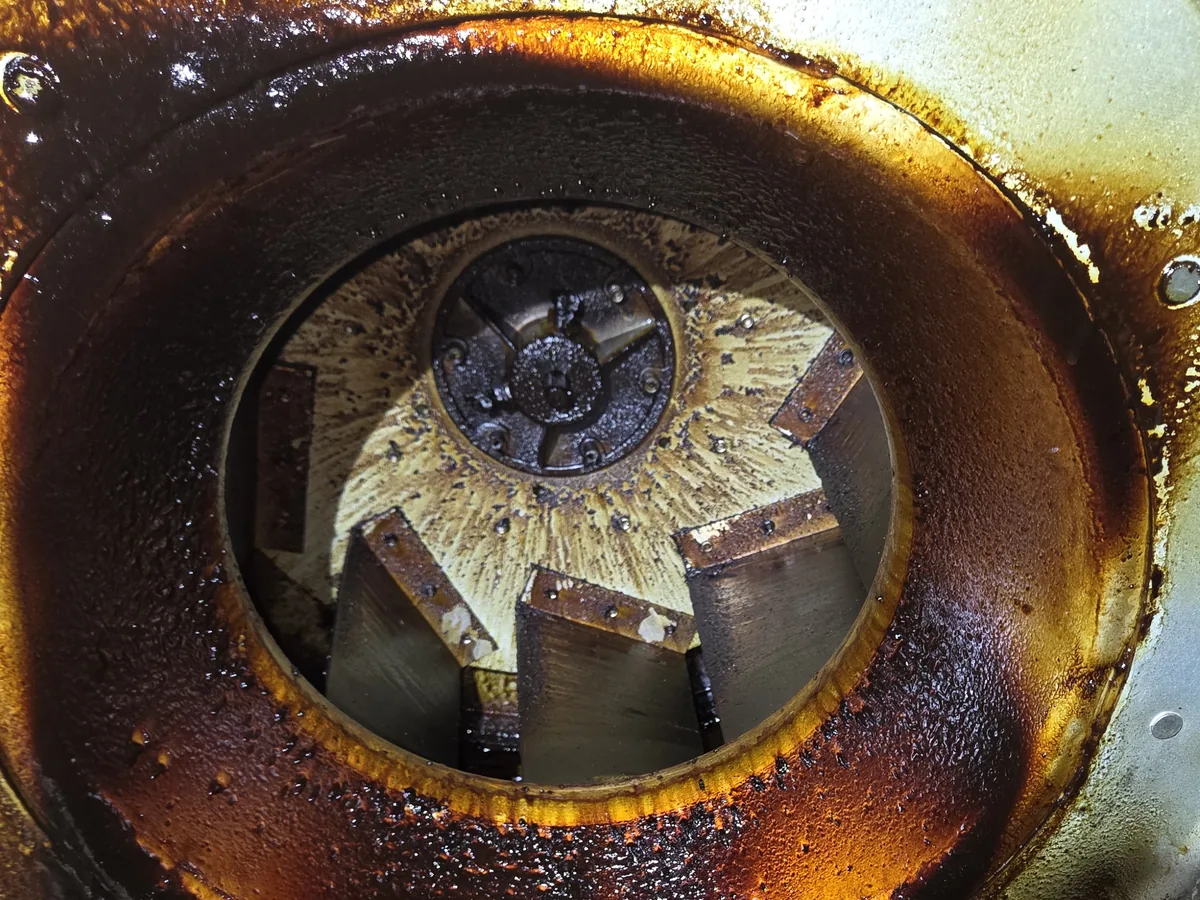
Exhaust fan wheel and housing caked in baked-on grease, before cleaning
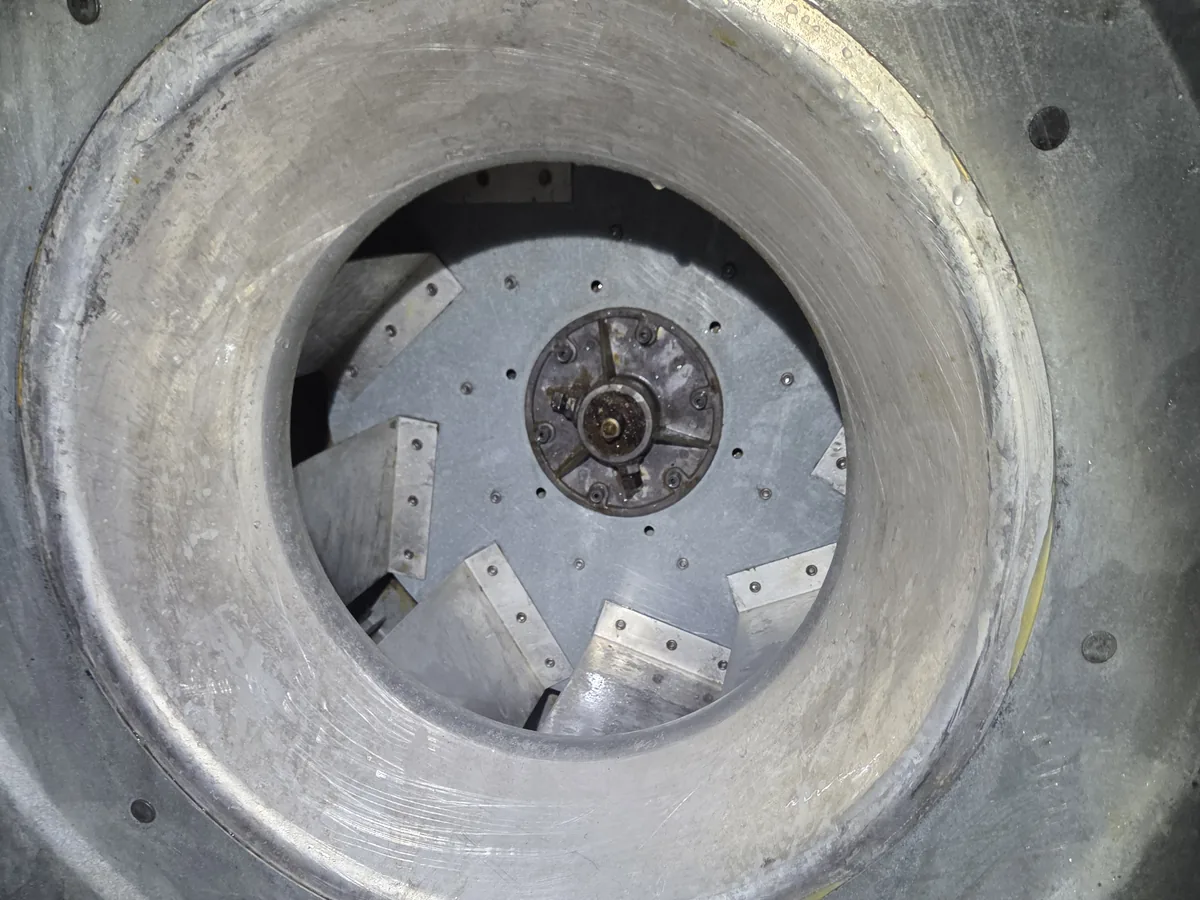
The same exhaust fan wheel and housing cleaned back to bare metal
Before After
Exhaust fan Wheel and housing, back to bare metal
Inside a kitchen exhaust duct coated in grease, before cleaning
The same duct interior cleaned back to bare metal
Before After
Exhaust duct Duct interior, back to bare metal
Rooftop exhaust fan with its housing and curb caked in grease, before cleaning
The same rooftop exhaust fan cleaned back to bare metal
Before After
Rooftop exhaust fan Housing and curb, back to bare metal
Baffle filter bank before cleaning, heavy grease buildup
The same baffle filter bank after cleaning, bare metal
Before After
Baffle filter bank Filters and canopy, back to bare metal

Drag the drum to spin it. Drag the handle to compare.

06 Who We Work With

If it has a hood, we clean it.

Kansas City kitchens come in every shape. Twenty years in, we have been under most of them.

Restaurants Bars & Grills Schools Hospitals & Care Homes Retirement Homes Hotels Churches Food Trucks Country Clubs Corporate Cafeterias Ghost Kitchens

07 Reviews

Sixty-four reviews. A straight 5.0.

Sixty-four customers, not one of them ours to edit. The three below are quoted word for word — the other sixty-one are one click away.

5.0
from 64 reviews on Google Public, unedited, and not ours to curate.
Read them all
“Very professional. On time. Great communication!”
Brandi BeckettGoogle Review
“Great hood cleaning company in kcmo very knowledgeable”
Matthew DuisenGoogle Review
“Great company and very dependable”
Jason BownGoogle Review

08 Service Area

Hood cleaning across Kansas City and everywhere around it.

Based in Kansas City and working the whole metro on both sides of the state line. Not on the list? Call — we probably still come to you.

Kansas City, MO Kansas City, KS Overland Park Olathe Independence Lee's Summit Blue Springs Shawnee Lenexa Leawood Prairie Village Liberty Gladstone North Kansas City Riverside Parkville Raytown Grandview Belton Raymore Smithville Kearney Excelsior Springs Harrisonville

09 Questions

Straight answers on hood cleaning.

How often does a commercial kitchen hood need cleaning?

It is set by how hard you cook, not by us. Solid fuel is monthly, high-volume charbroiling and 24-hour kitchens are quarterly, an ordinary restaurant line is twice a year, and a low-volume church or seasonal kitchen is annual.

Those intervals come from NFPA 96 Table 11.4, which the fire code points to directly — your fire marshal is the final say on how it applies to your building. There is a fuller breakdown in How Often.

Not sure where you land? We work it out on the estimate visit.

Will hood cleaning shut my kitchen down?

No. We schedule around your service hours — typically overnight or on a closed day — so the work happens while nobody is on the line. You open the next shift as normal.

What is included in a kitchen exhaust cleaning?

The hood canopy inside and out, the baffle filters, the plenum, the accessible ductwork, and the rooftop exhaust fan and its housing. Equipment and floors get covered before we start, and everything gets wiped down before we leave.

If we find something outside the scope of a cleaning — a fan that needs a hinge kit, a roof that needs containment — we tell you and quote it separately. We don't add work to an invoice you didn't approve.

How much does hood cleaning cost in Kansas City?

It depends on the condition of the system, which is why we come and look at it. A hood that was cleaned six months ago and a hood that has not been touched in three years are two completely different jobs, even in the same building.

What moves the number: how long since the last cleaning, how heavy the grease load is, the size and layout of the system, the length and accessibility of the duct run, and how easy the rooftop fan is to get to.

We do not quote over the phone, because that is guessing. Call, we come out and look, and you get a real price for the actual system. The visit is free and there is no obligation attached to it.

Do you work outside Kansas City proper?

Yes — we cover Kansas City, MO and the surrounding metro on both sides of the state line. If your town isn't in the list above, call anyway. We travel further than most people expect.

Are you insured?

Yes — and carried at limits high enough to work hospitals and other institutional accounts, which is a bar a lot of smaller outfits cannot clear. If your facility needs a certificate of insurance before we set foot on site, ask and we will have it sent over.

The policy carries $2 million in liability coverage, and an umbrella policy takes that to $4 million for facilities that require more. We also carry commercial auto insurance.

What if I call after hours and nobody picks up?

You will get a call back first thing in the morning. We are an on-call business and the phone is answered by the people who do the work — which means occasionally it rings while we are on a roof, or at an hour when we are asleep.

Leave a message or send a text to 816-550-8824 and it gets returned. The cleaning itself is almost always scheduled after your service anyway, so the work happens overnight even when the phone call does not.

What is the satisfaction guarantee?

If you walk the job with us and something is not right, we fix it. That is the whole guarantee — no forms, no fine print. Twenty years of repeat customers in a city this size only happens one way.

What does “cleaned to bare metal” mean?

That the grease is gone, not spread around. Hood, filters, plenum, accessible duct and fan get scraped and washed back to the metal they were made from, wherever a tool can reach.

A wipe-over leaves a thin film behind, and the next layer of grease sticks straight to it. Bare metal is the only finish that resets the clock.

Do you clean the rooftop fan and the ductwork, or just the hood?

The whole system. Hood canopy, baffle filters, plenum, the accessible ductwork and the rooftop exhaust fan and housing are all part of a standard cleaning.

If the fan has no hinge kit, or grease is getting onto the roof, we tell you and quote it separately — both are services we do.

Do you provide documentation for the fire marshal or insurance?

Yes. Every job ends with documentation of the work, a service date on the hood, and a recommended window for the next visit.

Fire marshals and insurance carriers ask when the system was last cleaned. With the record in hand that is a thirty-second conversation.

What is NFPA 96?

NFPA 96 is the National Fire Protection Association’s standard for ventilation control and fire protection of commercial cooking operations. The fire code points to it, so it is what your fire marshal works from.

Its Table 11.4 is where the cleaning intervals in How Often come from: monthly, quarterly, semi-annual or annual, set by how hard the kitchen cooks.

What is an exhaust fan hinge kit, and do I need one?

A hinge kit lets the rooftop fan swing open on its curb instead of being lifted off it. It protects the wiring and the roof membrane, and it makes every future cleaning quicker because the fan and the duct behind it open up in seconds.

If your fan has to be lifted off the curb to reach the duct, yes. We install them.

What is rooftop grease containment?

A system fitted around the exhaust fan that catches the grease the fan throws out, so it never reaches the roof membrane. Grease on a roof stains it, degrades it and eventually leaks through — a containment system costs far less than the roof repair.

We fit and service containment on the same visit as the cleaning.

Who do you work with?

Anywhere with a commercial hood: restaurants, bars and grills, schools, hospitals and care homes, retirement homes, hotels, churches, food trucks, country clubs, corporate cafeterias and ghost kitchens.

Insurance is carried at the limits institutional accounts require, so hospitals and schools are not a problem.

10 Get In Touch

Free estimate.
No pressure.

Call for the fastest answer, or send the form and we’ll come back to you. Either way you get a real person who has been doing this for twenty years — and if we’re on a roof or it’s late, you’ll hear back first thing in the morning.

Call or text 816-550-8824 Fastest way to reach us Email eliteexhaust19@gmail.com Send photos of your system if you have them
Based in Kansas City, MO Serving the whole metro, both sides of the state line
Availability On call Answered by the people who do the work. Miss us at night and you’ll hear back first thing in the morning.

Request a free estimate

Takes under a minute. Fields marked * are required.

Please enter your name.
Please enter a phone number we can reach you on.
That email address doesn't look right.
Please tell us which city you're in.
A sentence or two is plenty.

We only use this to get back to you about your estimate. Nothing else, ever. Sent overnight? You’ll hear from us in the morning.

Request received.

Thanks — we'll be in touch shortly. If it's urgent, call 816-550-8824 and you'll get a person.

Call Now Free Estimate